7 Data Trends 2025: Real-Time Data Workflows for VAs, Admin Dashboard Analytics, Governance Tips
7 Data Trends for 2025: Real-Time Data Workflows for VAs, Admin Dashboard Analytics Best Practices, and Data Governance Tips for Virtual Assistants
Businesses now rely on real-time data workflows for VAs, admin dashboard analytics best practices, and data governance tips for virtual assistants to keep ahead. As we move into 2025, smarter use of data—powered by instant analytics, AI, and new governance rules—shapes the way VAs and admin pros get work done. These trends are changing more than just how data is managed, they’re opening new doors for speed, accuracy, and decision making.
Understanding real-time analytics and strong data governance helps VAs and data-entry teams adapt to shifting demands. AI agents automate routine admin work while dashboards surface insights in seconds, pushing productivity forward. Taking advantage of these shifts isn’t just smart, it’s essential for anyone tracking the latest trends and looking for better ways to support growing business needs.
If you’re interested in learning how foundational data skills and smart workflows impact daily admin work, explore this simple guide to data management jobs, real examples, and tools shaping 2025.
Rise of Real-Time Data Workflows for VAs in 2025
Work feels different in 2025 for virtual assistants and admin teams. Fast, accurate data is always at your fingertips, shaping the way tasks are managed and decisions are made. Businesses want smooth workflows, fewer errors, and smart use of time. The biggest shift? Real-time data workflows for VAs, admin dashboard analytics best practices, and data governance tips for virtual assistants all now drive daily routines—powered by tools that help you work smarter, not harder.
The move to real-time everything means admins and data-entry specialists can respond as things happen. Edits, approvals, and forward planning are now possible without the old lag of waiting for reports or chasing updates. This approach isn’t just for the tech savvy; it’s now baked into best practices for anyone serious about delivering value in 2025.
Automating Administrative Decisions with Real-Time Insights
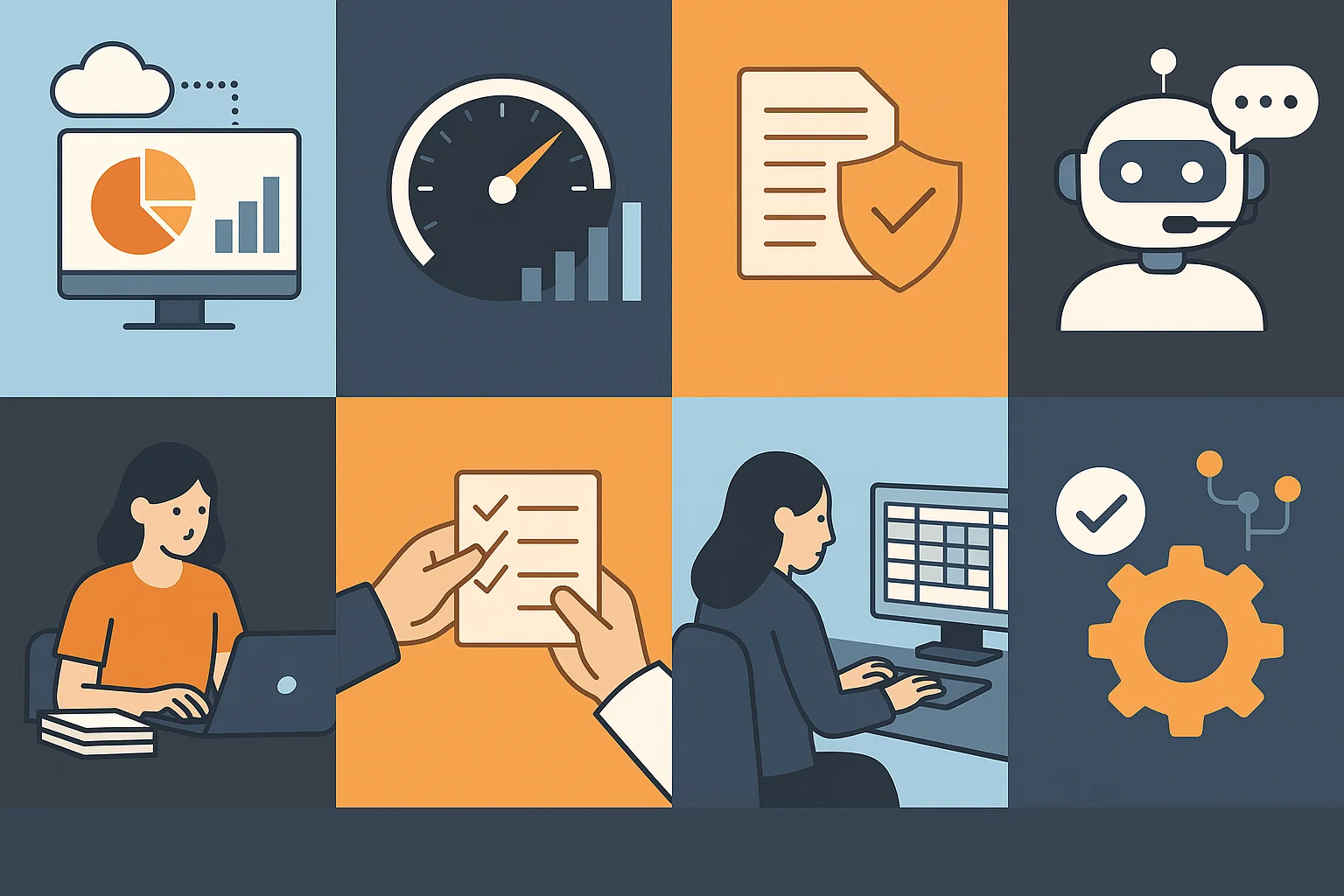
Manual admin work eats up hours, and mistakes slip in when data is old. Real-time insights change this. Now VAs and office teams get instant updates on everything from project deadlines to sales tallies—no more second-guessing over outdated exports.
- Automation in Action: When new data hits (like customer orders or approvals), AI-powered automations run checks and kick off next steps. Invoicing, follow-ups, even resource planning happen without an admin touching a spreadsheet.
- Smart Triggers: Automatic alerts flag missing info, bottlenecks, or anything off-pattern. Teams fix issues while they’re small, rather than patching up problems after the fact.
- Consistent Reporting: Real-time dashboards mean every team member—and the boss—sees the same story, at the same moment. Less confusion means faster, better decisions.
With these changes, administrative work becomes smoother and more predictive. No need to shuffle between tabs or dig up files. Admins now focus time on what matters: troubleshooting, personalizing support, and flagging next steps. This supports the core promise of real-time data workflows for VAs—working at the speed of business.
Collaborative Dashboards: Empowering Admin Teams
Imagine never emailing a status update again. Now, team dashboards connect everyone in real time, keeping updates, files, and messages in one place. This isn’t a distant future; it’s the current best practice for high-performing admin teams and VAs.
- Streamlined Updates: When someone marks a task as done, the change appears for the whole team. No more waiting for summary emails or cross-checks.
- Live Communication: Admins chat, tag, and comment within the dashboard, linking conversations to actual data points or files. This makes it easy to trace decisions and find answers fast.
- Role-Based Views: Custom dashboards show only what’s relevant for each user. VAs don’t get swamped by extra noise—they focus on their own priorities, all with up-to-the-minute context.
Here’s a real-world scenario: An outsourced team manages orders. A dashboard tracks every step—from order entry to delivery status—in real time. Issues are flagged, supervisors comment directly where fixes are needed, and clients can peek at the live board any time they need answers. Want to work this way? See more on boosting efficiency with a Outsourced Data Entry Process, which explains proven methods for dashboard-driven teamwork.
Using collaborative dashboards and powerful automations, admin teams step into a role that’s both responsive and proactive. Every daily update doubles as a business asset, supporting smarter, data-driven decision-making across the board.
Advanced Admin Dashboard Analytics: Best Practices for 2025
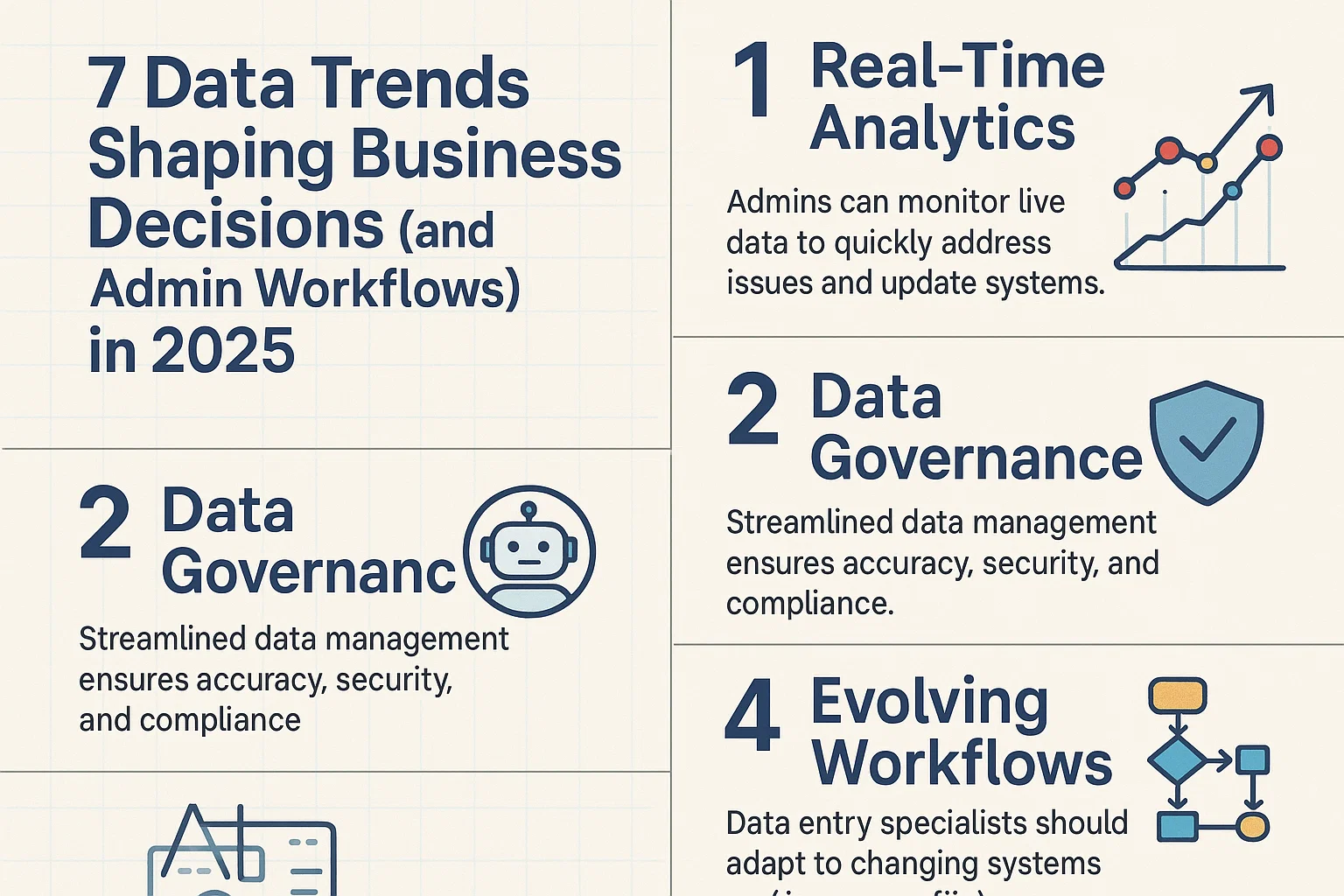
Analytics have evolved from simple scorecards into all-in-one control centers for business decisions. In 2025, admin dashboard analytics best practices focus on turning streams of raw data into direct actions that improve team efficiency. Admins and virtual assistants who know how to use real-time data workflows can guide operations, flag risks early, and boost productivity—without getting lost in endless charts.
From Raw Data to Actionable Intelligence: Highlight how admins should interpret and use analytics to inform day-to-day operations.
Raw numbers mean little until you know what to do with them. A smart admin dashboard sorts through the clutter, highlighting trends and patterns that matter for your team. It’s like having a GPS for your day-to-day workflow, guiding where you focus and when you pivot.
Here’s how admins and VAs can put analytics into action:
- Identify performance gaps fast: If project timelines start slipping, dashboard trends show it instantly. Act before delays stack up.
- Spot growth areas: See which services or tasks are rising in demand by tracking volume over time. Channel resources where they make the most impact.
- Reduce errors and rework: Analytics flag repeated issues, such as data entry mistakes or missed customer touchpoints. Fix the process, not just the symptom.
- Make every meeting count: Show up with real numbers. Use dashboard snapshots to turn updates into decisions, not just reports.
Admins who master these techniques build trust across the business. They transform real-time data workflows for VAs into daily wins by helping teams see what needs attention and why. To explore how strategic choices depend on good analytics, check out details on Local vs Offshore Data Entry Services—you’ll see how data-driven decisions play out in real projects.
Custom Alerts and Predictive Analytics in Dashboards: Detail the value of predictive analytics and automated alerts for proactive admin workflow management.
The real magic comes when dashboards move beyond just tracking what happened. Predictive analytics and custom alerts give admins a head start, acting like a trained lookout who warns about what’s ahead—not just what’s in the rear-view mirror.
Key benefits for 2025 include:
- Automated alerts: Get instant notifications on outliers—like invoices missed, sudden spikes in requests, or inventory shortages—so you fix problems early, not after they spread.
- Forecasting workload changes: Predict busy seasons, potential bottlenecks, or drops in volume based on historical trends. Prep your team before the crunch hits.
- Smarter resource planning: Use forecast data to adjust scheduling, budgets, and hiring without guesswork.
- Reduced overwhelm: Let the dashboard sift through noise, only pinging you when something truly needs attention.
Think of predictive analytics as the difference between driving a car with headlights versus in the dark. You see what’s coming and have time to steer clear of trouble.
Admins and VAs using these tools don’t just react—they guide the flow of work, setting up teams for fewer surprises and smoother days. And if you want deeper insights into how analytics and governance shape lasting success, learn more with these profitable data entry strategies designed for virtual assistants and data pros.
With dashboard analytics now a daily habit, admins move from chasing data to using it as their playbook. That’s how the best in 2025 drive smarter, faster business decisions.
AI and Machine Learning: Transforming Admin and Data Entry Roles
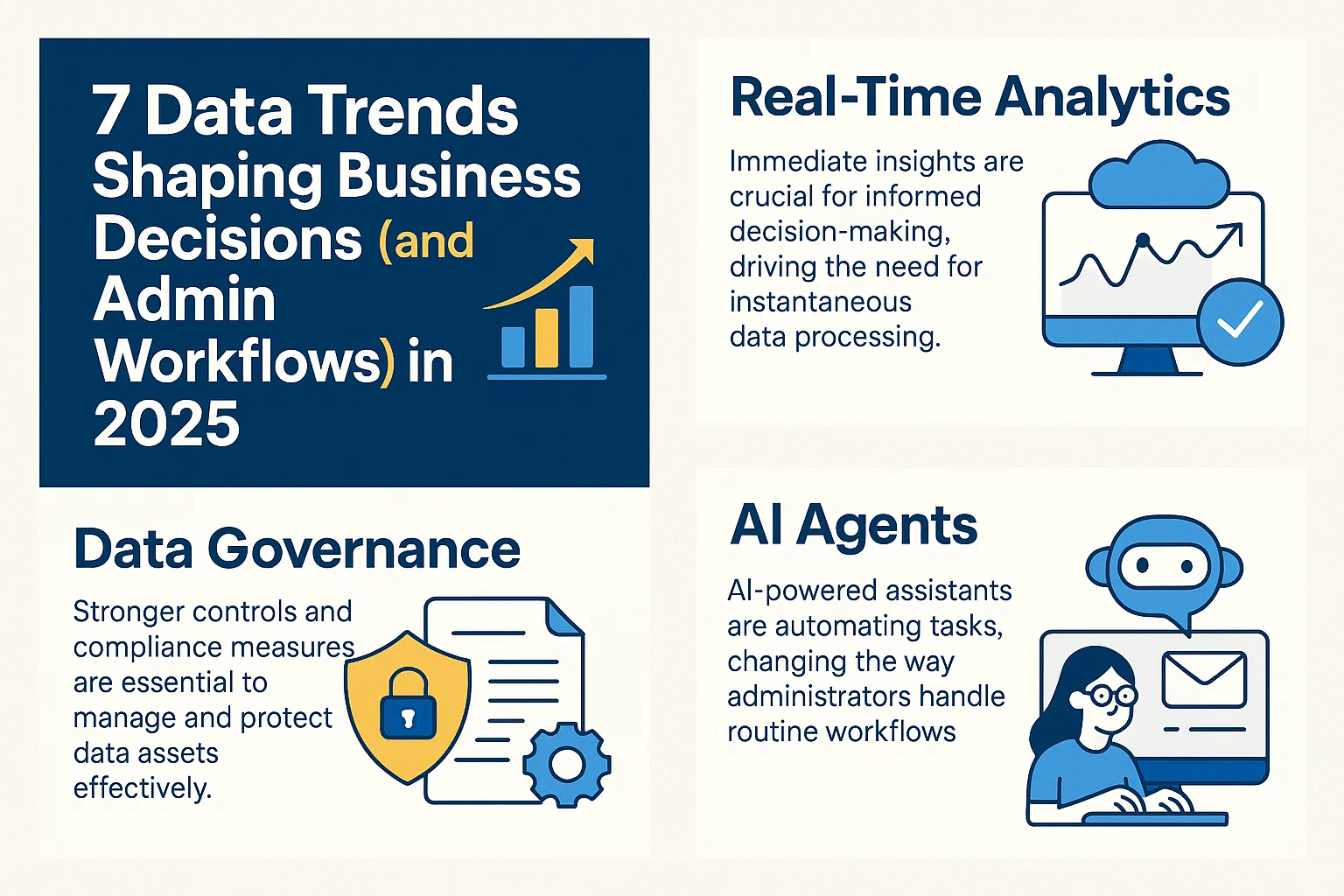
Artificial intelligence and machine learning are rewriting the playbook for admin and data-entry tasks. The impact isn’t just technical, it’s practical and immediate. As companies embrace real-time data workflows for VAs, admin dashboard analytics best practices, and data governance tips for virtual assistants, the lines between routine, repetitive work and high-value problem-solving are fading. Modern AI agents take on much of the grind, leaving admins free to focus on work that moves the business forward.
Smart AI Agents in Admin Workflows
Smart AI agents are showing up everywhere in back-office operations. These digital assistants can book meetings, screen emails, organize files, and even flag critical data points across dozens of platforms. Real success stories come from businesses that have automated scheduling across teams, let AI manage their inboxes, or rely on bots to keep databases clean and properly categorized—no more late-night number crunching or endless file naming.
Consider these tasks AI agents already handle with speed and precision:
- Calendar management: AI quickly finds open slots, checks preferences, sends calendar invites, and even reschedules when needed.
- Email triage: Bots sort incoming messages, prioritize urgent requests, and draft replies for review, saving hours each week.
- Data tagging and categorization: Machine learning scans and classifies invoices, receipts, or customer records, making future searches effortless.
- Communication handoffs: AI agents can handle routine chat support, escalate complex requests, and give VAs more time for bigger projects.
Businesses that use real-time data workflows for VAs unlock a new level of accuracy. Instead of endlessly chasing manual updates, teams gain up-to-date context that drives better decisions. If you’re looking to stay ahead, learning how these agents fit into dashboards and process flows is essential. For detailed insights on managing these changes in your own operation, explore case studies and guides available on admin support automation and efficiency, which highlight the latest tools and their real-world impact.
Continuous Learning: Upskilling for the Future Admin
Automation changes more than process, it shifts the skills admins need to thrive. The most successful admin professionals and VAs in 2025 are those who pursue continuous learning, especially in AI and data analytics. Why? Because the technical tools that make real-time data workflows for VAs possible only shine when there’s someone ready to guide them and unlock their full power.
Here’s why ongoing training isn’t optional:
- Tech moves fast: Platforms, data privacy standards and analytic features change year to year, and admins need to stay ahead.
- Collaboration depends on digital literacy: To be effective, admins must know how to use advanced dashboards, trigger automations, and spot data inconsistencies before they cause problems.
- Analytics as a core skill: Admins that understand analytics direct resources, flag issues, and spot new growth areas faster than those tied to old-school methods.
Practical ways to upskill:
- Join short courses on AI basics, machine learning, or analytics from trusted providers.
- Experiment with dashboard tools by taking on small projects or pilot tasks.
- Stay connected to professional networks focused on admin tech, sharing lessons and new tips as the field evolves.
For those eager to get started, exploring a guide to data transcription skills can give you a sense of how foundational skills have shifted and lay out a roadmap for continuous improvement.
Admin work is no longer just following instructions—it’s about partnering with AI, guiding strategic choices, and becoming the connector between data and business decisions. Continuous upskilling turns that potential into a must-have skill set.
Data Governance Tips for Virtual Assistants in the Modern Era
Staying on top of data governance is one of the smartest moves a virtual assistant or admin specialist can make. With more companies relying on real-time data workflows for VAs, admin dashboard analytics best practices, and data governance tips for virtual assistants, the rules of the game keep shifting. Today’s admins don’t just protect data, they help shape every decision, big or small. Here’s how to build a data-smart routine that protects your business and builds trust at every turn.
Developing Secure Data Handling Protocols
Every virtual assistant and admin worker needs to set high standards for data handling. Protecting sensitive details and getting the facts right isn’t just good practice—it’s essential for client trust and long-term growth.
To help, here are several key steps to build into your daily workflow:
- Use strong passwords and update them often. Don’t recycle old logins. Two-factor authentication (2FA) adds an extra layer of protection.
- Limit access to sensitive data. Only people who need to see personal or financial info should have access, and you should review access rights regularly.
- Encrypt sensitive files before sharing. When sending information, use trusted platforms with end-to-end encryption.
- Keep a data access log. Track who accessed what and when. This helps spot suspicious activity and supports any audit requests.
- Double-check data at every stage. Accuracy is non-negotiable. Use checklist tools or dashboard reminders to catch typos, switched fields, or missing numbers before submitting reports.
- Educate yourself on phishing and scams. Never open links or files from unknown sources, especially if requests seem urgent or “off.”
- Delete data responsibly. When files are no longer needed, remove them with secure erase features—not just moving them to the trash.
- Back up data often. Store copies in verified, secure locations, and test restores to ensure they work.
Adopting these habits helps keep data tight, accurate, and confidential. If you want more detailed processes, check out guides like the outsourced data entry process, which breaks down secure and organized data flows for teams and individuals alike.
Navigating Regulatory Changes and Compliance Standards
Laws and regulations shift fast, affecting how admins and VAs handle daily work. With new privacy rules popping up every year, it’s essential to know what’s coming and how to adjust.
Here’s a look at how to keep up with compliance standards in 2025:
- Monitor new data privacy regulations. From updates to the EU’s GDPR to new state laws in the US (like California’s CPRA) and rising rules in Asia, staying informed is non-negotiable.
- Understand industry-specific guidelines. Healthcare, finance, and retail all have unique data rules (like HIPAA in healthcare). Stay tuned to announcements in your sector.
- Join professional networks and forums. Groups for VAs and data-entry specialists often share regulation updates, compliance tips, and case studies that make complex news clear and actionable.
- Use compliance checklists and audit tools. Many admin dashboard analytics best practices now include built-in compliance modules, which flag risks and help track changes.
- Document your process changes. When a new rule arrives, adjust your procedures in writing. Keep copies of compliance statements and share them with your clients or supervisors.
- Take regular training. Most compliance risks result from simple mistakes. Short refresh courses on data handling, new laws, and ethical standards go a long way.
- Communicate shifts with your team. If you lead a group, share plain updates about how any regulation affects roles and data access.
Being proactive with compliance means less stress when rules update or audits arrive. If you want to see how smart compliance tools fit into the bigger workflow, check out how admin dashboard analytics best practices streamline regulatory tracking and reporting for busy VAs.
By baking these habits into your routine, you’ll handle data smarter, work with confidence, and deliver real value to every project—no guesswork needed.
Big Data and the Democratization of Decision-Making
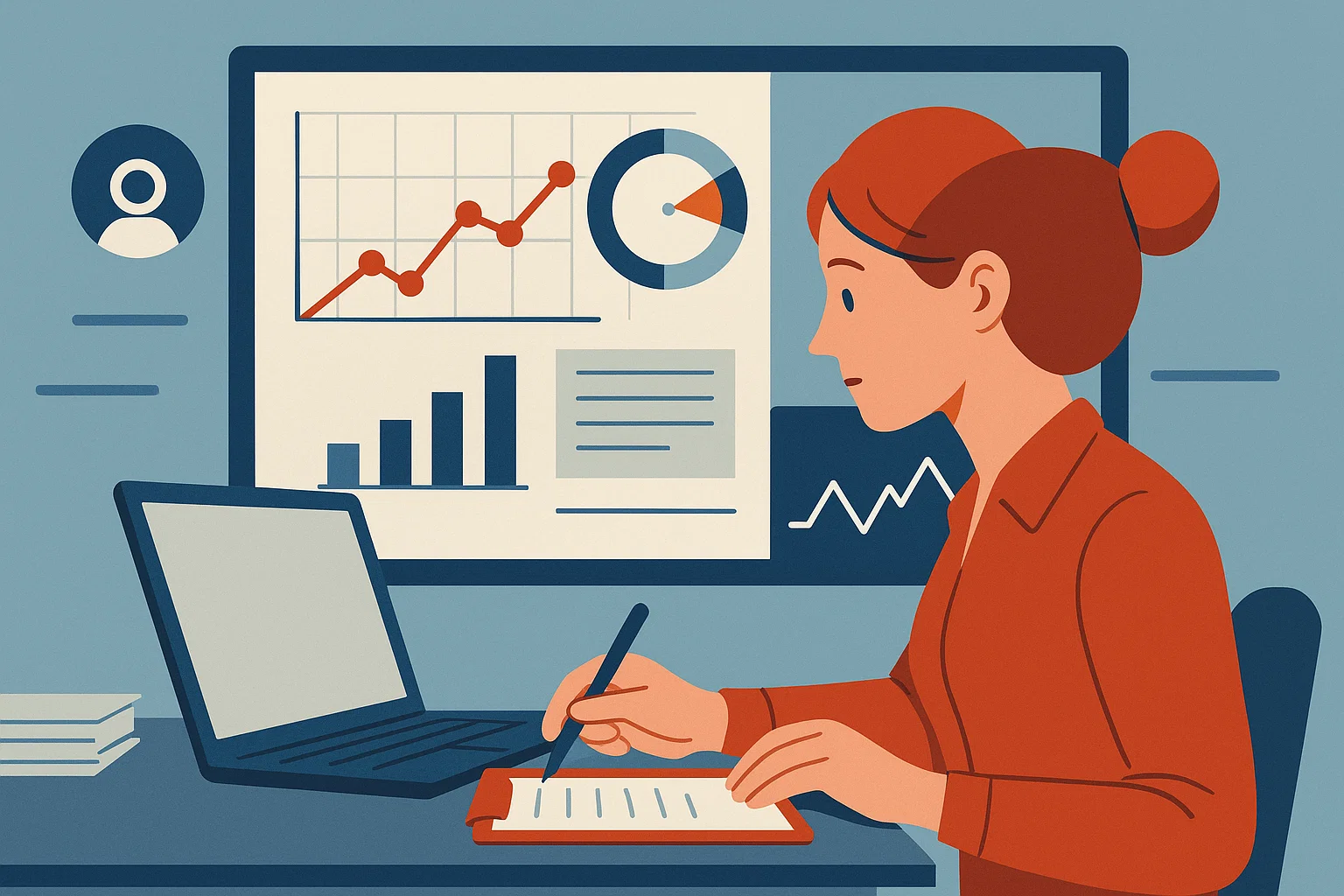
Big data is no longer just a trend for tech giants. In 2025, it’s a tool every business uses to power smart decisions. The buzz around real-time data workflows for VAs, admin dashboard analytics best practices, and data governance tips for virtual assistants is about opening up access—not just for analysts and IT, but for everyday admin teams. With new tools and smart automation, even non-technical staff now pull insights directly and use them to shape daily work. Let’s look at how self-service analytics and big data make decision-making more accessible and practical than ever.
Self-Service Analytics for Non-Technical Admins
Today’s analytics platforms are built so any virtual assistant or admin can find answers fast. You don’t need a computer science degree to use them. Modern tools come with:
- Drag-and-drop dashboards that update in real time
- Easy-to-read charts and graphs built automatically from raw data
- One-click filters for slicing data by project, client, or time range
- Step-by-step guides for building custom reports or setting up regular alerts
For VAs and admin staff, these features mean less waiting on IT, fewer bottlenecks, and quicker decisions. Picture an admin looking to report on last month’s client requests or track overdue invoices. With today’s software, it’s as simple as selecting the right fields and clicking “generate.”
This shift is important for several reasons:
- Speed: Teams access up-to-date insights, cutting the lag between gathering info and acting on it.
- Independence: Staff can run their own reports, leading to more confident and data-backed decisions.
- Ownership: When admins explore their data, they spot issues and growth areas sooner.
Admin teams that use self-service analytics are trusted partners in business planning. They spot patterns in customer service tickets, schedule trends, or payment delays—and can fix issues before they grow.
For those wanting to develop these skills, practical resources on what is data management explain the basics and lay the path for building analytic confidence in day-to-day work.
Integrating Big Data with Everyday Admin Tasks
Big data isn’t just for massive datasets or endless spreadsheets. Admin teams use it every day, often without realizing it. By feeding live information from multiple sources into workflow tools, administrators automate tasks and enhance productivity.
Here are some actionable ways big data revolutionizes daily admin work:
- Automated task tracking: Instead of chasing status updates across email after email, admins use workflow dashboards that show real-time progress. When a step stalls, the system flags it and prompts action.
- Smart document routing: Big data systems match incoming documents—like contracts or forms—to the right team members using set criteria and past assignment history.
- Resource allocation: By analyzing workload data, admins can balance team assignments, prevent burnout, and adjust schedules before issues appear.
- Expense and invoice validation: Data tools automatically flag duplicate claims, errors, or missing fields by comparing entries against huge volumes of historic data.
Consider the time saved when invoice matching is instant, or when a dashboard highlights which support tickets need urgent attention. Admins have the power to spot trends, correct errors, and support fast decision-making—all thanks to the smart use of big data.
The real key is blending automation and human input: let robust data workflows do the heavy-lifting, while admins focus on the priorities that need their judgment and creativity. The best admins are making use of proven outsourced data entry process options to combine big data with real-time results, showing just how much daily admin life has changed when everyone has access to smarter tools.
Key Takeaways
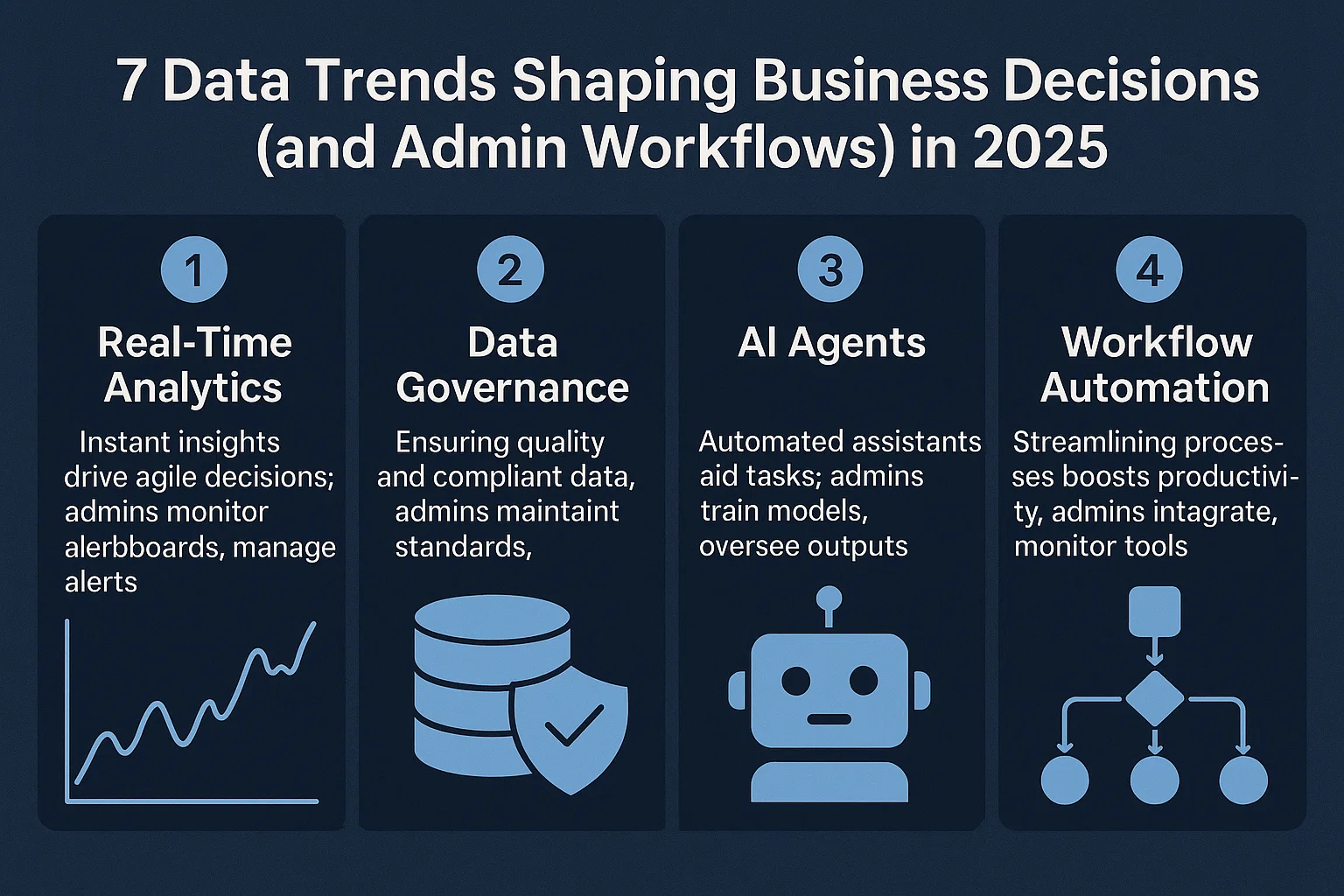
Staying current with data trends is essential for anyone working in modern admin, VA, or data-entry roles. The trends shaping 2025, like real-time data workflows for VAs, admin dashboard analytics best practices, and smart data governance tips for virtual assistants, bring both opportunity and new responsibilities. Let’s break down the main lessons every admin and VA should remember from these changing workflows.
Adaptability Matters Most
Admin staff and VAs who stay flexible handle new tools, tasks, and policies best. As real-time data becomes the new standard, teams must move from routine, repetitive updates to fast, responsive actions. You’ll stand out by blending technology skills with critical thinking.
- Tools change quickly; your willingness to learn keeps you valuable.
- Accept automation for busywork, but always layer human insight on top.
- Use dashboards and workflows to track business health, not just tasks.
Data Skills Are Now a Core Requirement
Gone are the days when basic spreadsheet skills were enough. Today, VAs and admins use advanced dashboards and AI-driven alerts to guide decisions. The more you develop your confidence with these tools, the more you’ll help drive everyday business results.
- Learn how to set up and customize dashboard analytics to fit your daily needs.
- Get comfortable with real-time alerts and predictive tools—they drive faster responses.
- Regularly review analytics best practices, as dashboards get smarter each year.
Need a refresher on what good analytics look like? Read up on admin dashboard analytics best practices for practical tips on turning data into wins.
Strong Data Governance Builds Trust
Smart data handling is now the minimum bar, not just a bonus. Admins and VAs who apply top-level data governance tips for virtual assistants avoid risk, keep client and company data safe, and build trust in every project.
- Set up strong data handling protocols—passwords, encryption, access logs, and regular audits.
- Stay informed on relevant privacy laws. Small mistakes can lead to big compliance gaps.
- Support your team by sharing updates and documenting new procedures.
For help identifying scam job postings and learning digital safety, review advice on spotting legitimate data entry jobs.
Collaboration and Communication Drive Results
Modern admin work is not just about solo productivity. Collaborative dashboards and shared analytics help everyone see the same story, in the same moment.
- Use shared dashboards to update the team, assign work, and highlight wins.
- Communicate in context: Tag files, leave notes, and create alerts for smooth handoffs.
- Take advantage of live tools to make updates clear to everyone—no more missed emails or delayed decisions.
Continuous Learning Rewards Curiosity
Roles will keep changing in 2025 and beyond. Those who stay curious and invest in learning—whether about AI agents, compliance standards, or workflow tools—will have the sharpest edge. Try online courses, webinars, and pilot projects to build new skills.
- Ask to join a test project when your company tries out new AI or dashboards.
- Share insights with coworkers: knowledge grows when you teach others.
- Watch for industry guides and thought leadership from trusted sources.
If you feel overwhelmed, start with the basics and build up. Sometimes the best way to learn is to try and see what works.
Big Data Isn’t Just for Experts
Everyone on the team, from VAs to project leads, uses big data trends in daily work now. Tools have gotten easier, making analytics and governance skills accessible—even for those without a deep tech background.
- Use self-service analytics to answer your own questions and solve problems quickly.
- Blend human judgment with data recommendations for balanced decisions.
- Embrace updates to reporting tools—these changes almost always make your workflow better.
Get foundational tips on effective data management by exploring what is data management for simple explanations.
By tying together these key lessons, admin professionals, VAs, and data-entry specialists position themselves for 2025’s workplace demands. Whether your focus is efficiency, accuracy, or safety, these trends provide a strong roadmap for building an adaptive, tech-savvy admin career.
Frequently Asked Questions About 2025 Data Trends for Admins and VAs
As real-time data workflows for VAs, admin dashboard analytics best practices, and data governance tips for virtual assistants continue to shape daily work, it’s common for professionals to have questions. This section gathers top queries and gives clear, actionable answers to help you make the best choices for your team and workflow.
What Are Real-Time Data Workflows and Why Do VAs Need Them?
Real-time data workflows mean that information updates instantly—no more waiting for end-of-day summaries or digging through old emails. For VAs and admin teams, this leads to faster responses, fewer mistakes, and a clear view of all moving parts. You see shifts as they happen, so you can adjust on the fly instead of playing catch-up.
This speed is critical in today’s business environment, where decisions must be made quickly and accurately. Whether tracking client requests or reviewing sales trends, having live data keeps your workflow efficient and clients happy.
How Do Admin Dashboard Analytics Best Practices Improve Decision-Making?
Dashboards collect and visualize your business data, turning it into clear charts or reports. By following best practices—like customizing views, setting up alerts, and focusing only on metrics that matter—you turn raw numbers into useful actions. This helps teams spot risks, catch opportunities, and maintain productivity.
Admins who master these methods keep projects moving and deliver steady results. If you want to dig deeper or see real examples, explore advice on admin dashboard analytics best practices to unlock more value from your analytics tools.
What’s the Importance of Data Governance for Virtual Assistants?
Data governance is about protecting data from loss, leaks, and errors. For VAs, this means always handling information safely, setting clear rules, and backing up files. It’s about creating trust with clients and teammates.
Good governance habits—using strong passwords, encrypting files, and understanding compliance standards—help prevent time-consuming mistakes and avoid security issues. Teams that keep governance top of mind run smoother and face less risk from audits or errors.
Can AI Automate Data Entry and Admin Workflows?
Yes, AI automates many repetitive admin and data-entry tasks, saving time and reducing errors. Modern AI agents sort emails, tag documents, schedule meetings, and even check information against thousands of records—freeing up admins and VAs for higher-level work.
To learn more about automation’s growing role, check out the guide on AI in Data Entry Automation, which answers common concerns and gives practical examples.
How Do I Keep Up With Changing Trends and Skills?
Staying sharp in 2025 means regular learning. Follow industry blogs, join online communities, and take short courses when you spot new tools or standards. Try small projects to practice using new dashboards or AI assistants; these bite-sized challenges build confidence quickly.
Regular feedback from your team or manager also keeps you on track and reveals areas for growth.
What If My Company Isn’t Using These Data Trends Yet?
If your company isn’t there yet, start simple. Suggest using a shared dashboard for project tracking or introduce secure password practices for your team. Show how small changes increase speed and accuracy, and chances are, others will follow.
Often, sharing one small win—like speeding up a task with automation—sparks wider interest in new tools or workflows.
Do I Need Advanced Technical Skills to Benefit From These Trends?
Not at all. Modern tools are designed for non-technical staff. Most virtual assistants and admin teams can use basic dashboards or AI-powered tools with minimal training. If you can use a spreadsheet or run a report, you’re already on the path.
If you want to boost your confidence, there are plenty of friendly resources and step-by-step guides available within the admin software platforms and professional forums.
These FAQs should set you up to better understand the major trends—real-time analytics, data governance, and AI—that are changing admin and VA work. For a deeper dive or more advanced workflow tips, review the detailed breakdowns in the rest of this article.
Conclusion
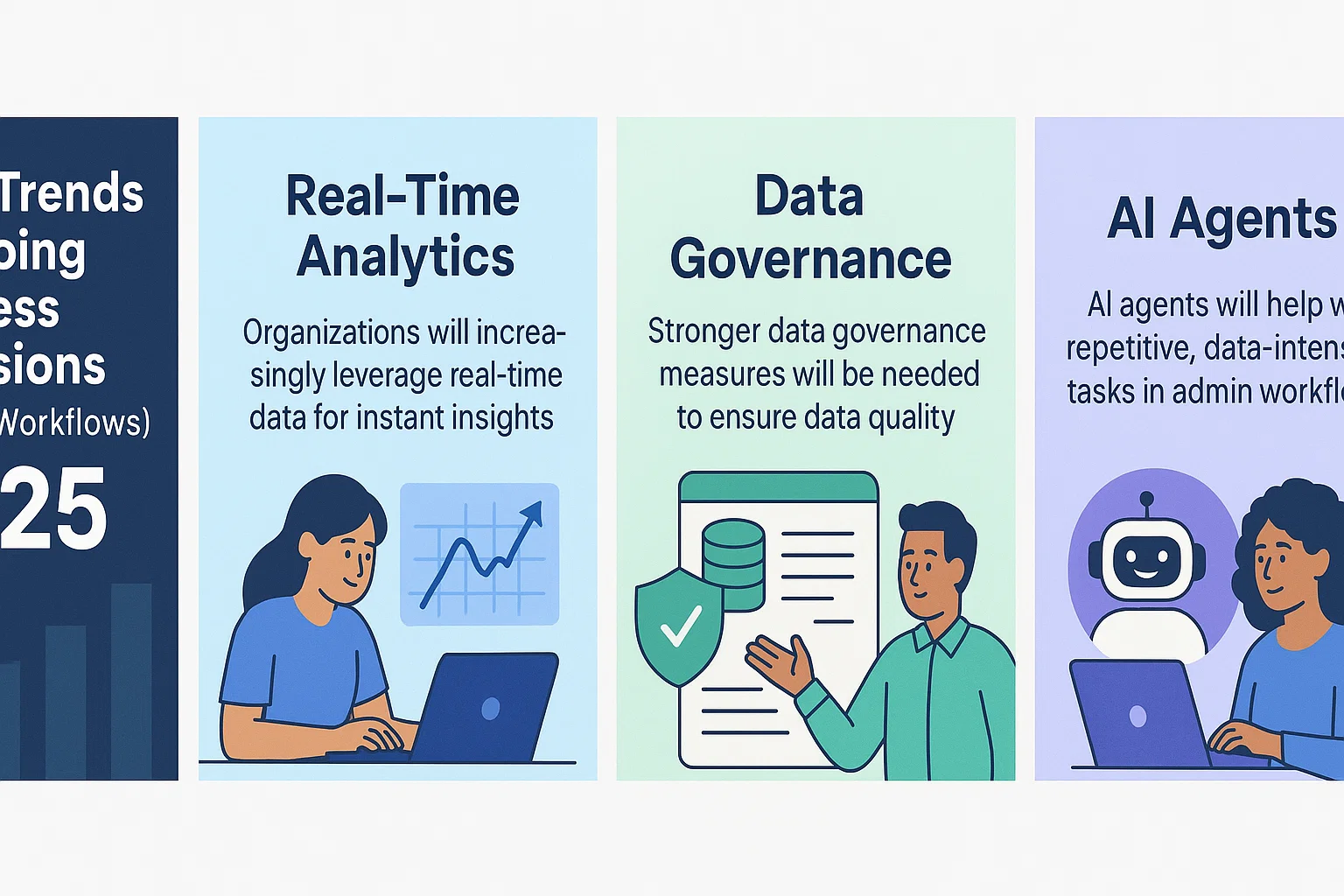
These seven data trends mark a new chapter for admins and VAs. Real-time data workflows, dashboard analytics, and strong data governance now shape every part of daily work. AI agents clear manual tasks off your plate, while dashboards give instant answers and forecasts—helping you work smarter and spot opportunities for your team.
If you build on these skills and stay open to new tools, you’ll adapt quickly and offer more value in any admin or VA role. Strong data habits, a focus on learning, and a willingness to try updated processes will set you apart in 2025. The workplace will keep shifting, but those who use big data, AI, and smart governance stay ahead, ready for every new challenge or project.
Stay curious and keep refining your approach, whether it’s by practicing with new dashboard features, reviewing data governance tips for virtual assistants, or adopting fresh best practices in analytics. The admins and VAs who invest in skill-building today will be tomorrow’s go-to experts.